Branch transformation has led branches to become more open and personal. Teller counters, which were once restricted by high desks and glass for security, are now replaced by Teller Pods.
Never heard of Teller Pods?
This implementation may not be found in Indonesia yet, but it has been implemented in various countries around the world.
Teller Pod
Source: mastersmillwork.com
A Teller Pod is an open arrangement where the Teller’s desk is not obstructed by barriers.
Thus, Tellers can approach customers when they visit the branch to create comfortable interactions and potential upselling and cross-selling opportunities.
Teller cash recycler is placed facing the Teller, also known as a Teller-facing TCR.
With the help of the TCR, the implementation of Teller Pods can be done by ensuring that the entire money processing is done by the machine in a closed, automatic, fast, and secure way, thereby minimizing the risk of crime.
Customer-facing TCR
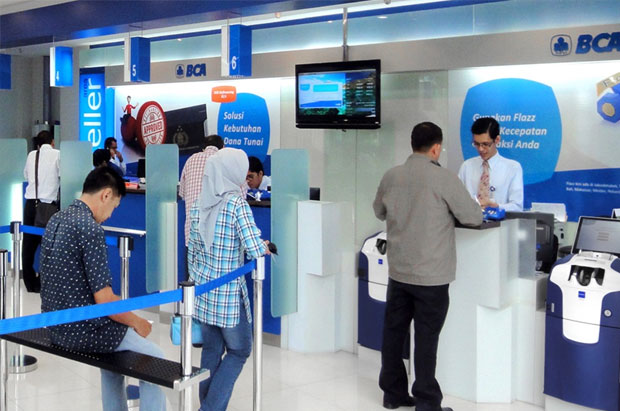
Implementation of customer-facing TCR at Bank Central Asia (BCA)
As an alternative to Teller Pods, teller cash recyclers can also be implemented at Teller counters facing customers, allowing customers to perform transactions independently.
This method is called customer-facing TCR, where Tellers and customers are still separated by barriers, but their roles change.
Unlike Teller Pods, which aim to create personal interactions between Tellers and customers, customer-facing TCR prioritizes transaction efficiency and Teller productivity.
As Tellers only need to oversee transactions, one Teller can monitor two teller cash recyclers at the same time, meaning one Teller can serve two customers simultaneously.
Some banks in Indonesia have implemented customer-facing TCR and experienced significant direct benefits.
Specifically, we have been directly involved from the exploration stage to the implementation of teller cash recyclers as a business consultant for several of our clients.
From post-implementation studies with one of our clients, teller cash recyclers have proven to provide the following benefits:
Enhancing transaction convenience for customers with faster queues and services.
Increasing Teller productivity through the implementation of customer-facing TCR, allowing Tellers to serve more customers.
Simplifying Teller tasks by automating the entire cash processing, from counting to reconciliation at the end of the day.
Moreover, teller cash recyclers also:
Improve transaction security with comprehensive counterfeit money detection sensors and secure storage.
Enhance business operational efficiency by shortening the cash circulation at the branch, as cash can now be directly taken from the machine instead of being moved to the vault.
Provide real-time monitoring of cash stock and transactions in the branch for management.
We understand that the concept of branch transformation cannot be generalized for all organizations, as the types of customers and issues faced by each organization may vary.
In Indonesia, we can help you realize the ideal branch transformation for your bank.
In the bustling environment of schools and educational institutions, managing queues efficiently is paramount to ensure smooth operations and a positive experience for students, staff, and visitors alike. Long lines and congestion can lead to frustration, wasted time, and reduced productivity. To address these challenges, the implementation of effective queue solutions becomes crucial. In this article, we will delve into the significance of queue management in educational settings and explore the various queue solutions that can revolutionize the way educational institutions operate.
Understanding the Importance of Queue Solutions
Enhancing Student Experience
One of the primary goals of educational institutions is to create a conducive learning environment for students. However, long and disorganized queues in daily activities can lead to unnecessary stress and disrupt the overall educational experience. By adopting efficient queue solutions, schools can alleviate these concerns, ensuring that students spend more time focusing on their studies and less time waiting in lines.
Streamlining Administrative Processes
Educational institutions often witness an influx of visitors, from parents attending meetings to new student registrations. Queue solutions optimize administrative processes by simplifying visitor check-ins, registration procedures, and payment processing. This not only reduces wait times but also enhances the institution’s reputation for professionalism and efficiency.
Advantages of Implementing Queue Solutions in Schools
By integrating advanced queue solutions, educational institutions can unlock a host of advantages. One key benefit is enhanced organization. Smart queue management systems help in categorizing queues based on different services, ensuring a smooth flow of students, staff, and visitors to their respective destinations. This leads to a reduction in overcrowding and minimizes the chances of confusion.
Queue solutions in schools can also significantly enhance the student experience. With digital signage and real-time updates, students can stay informed about their queue status, estimated waiting times, and service availability. This transparency empowers students with control over their time, enhancing overall satisfaction and reducing stress.
Furthermore, efficient queue management enables optimized resource allocation. By analyzing queue data, educational institutions can identify peak hours, allocate resources accordingly, and better manage staff shifts. This data-driven approach not only improves service quality but also maximizes the utilization of available resources.
Types of Queue Solutions for Educational Institutions
Queue solutions for educational institutions are diverse and adaptable. Virtual queue solutions such as SMARTQUEUE® are gaining popularity and traction due to their ability to eliminate physical waiting lines. With virtual queuing, students and visitors can join a queue remotely using their smartphones or other devices, receiving notifications when it’s their turn to be served. This method not only saves time but also reduces the need for physical contact, fostering a safer environment, especially in times of public health concerns.
Mobile apps have also emerged as a powerful tool for queue management. Integrating queue information and updates into a dedicated app allows students and staff to access real-time data, check queue lengths, and schedule appointments. Additionally, mobile apps can provide supplementary features like campus navigation, event notifications, and course registration, further enhancing their value to the education community.
Another viable option is self-service kiosks strategically placed around the campus. Students can use these kiosks to sign up for services, print documents, or receive assistance. Self-service kiosks improve efficiency by reducing the burden on administrative staff and enabling students to complete tasks independently.
Read also:
The Future of Queue Solutions
As educational institutions continue to embrace digital transformation, the role of queue solutions is bound to evolve. The integration of data analytics will enhance the accuracy of queue predictions, ensuring an optimized experience for students, staff, and visitors alike. Additionally, with an emphasis on contactless services, virtual queuing and mobile apps are poised to become integral components of the post-pandemic education landscape–promoting not only safety, but also convenience.
In short, queue solutions are a game-changer for educational institutions, addressing the challenges of queue management and paving the way for a more streamlined and satisfactory experience. By embracing technology and data-driven approaches, schools can create an environment where efficiency and student experience go hand in hand, ultimately shaping a brighter future for education.
————-
For more information about queueing solutions, you can contact us at: https://murni.co.id/contact-us/
Queues are a common occurrence in various business sectors. In fact, queues can be found almost everywhere, from cinemas, banks, to other public areas.
This makes queue management essential in enhancing the quality of customer experiences. Therefore, in this article, we will discuss strategies for optimizing the queue system in your business.
Before moving into optimization strategies, it’s essential to familiarize yourself with the characteristics of queues. In this context, customers and service providers are the key elements of the queue system, which can be summarized as follows:
1. Calling Population
The population of potential customers, often referred to as the “Calling Population,” can be assumed to be infinite, even though it is, in reality, finite. This assumption of an unlimited calling population can be used to simplify queue models by considering a constant arrival rate over time.
2. System Capacity
In many queue systems, there is a limit to the number of customers that can be accommodated in the queue or system. When a system is full, incoming customers do not enter the system immediately but return to the calling population. However, it’s worth noting that there are other systems, like those in shopping centers, that may have an infinite capacity.
3. Arrival Process
The arrival process in models with an unlimited population can be distinguished by the time between successive customer arrivals, whether scheduled or random. In random systems, the inter-arrival times are often characterized by probability distributions. Additionally, customers can arrive individually or in groups, with both constant and random patterns.
4. Queue Behavior and Discipline
Queue behavior refers to the actions of customers while waiting in the service queue. In some situations, customers may refuse to wait in line, leave the queue, or switch to another queue they perceive as faster.
Queue discipline is the logical arrangement of how the next customer is selected. Queue disciplines are generally categorized As First-Come-First-Served (FCFS), Last-Come-First-Serve (LCFS), Service In Random Order (SIRO), and others.
5. Service Duration and Mechanisms
The duration of each service can be programmed to be constant or variable. In some cases, services are evenly distributed across different types, classes, or priorities. In other businesses, customers of various types may receive different service time distributions.
After understanding the key characteristics mentioned above, let’s move on into the main topic: implementing queue strategies that align with these characteristics.
Optimization Strategies Based on Queue System Characteristics
Optimizing queue management can directly contribute to improved customer experiences and operational efficiency in your business. However, achieving this requires an ongoing process.
Here are strategies for optimizing the queue system in line with its characteristics:
1. Adjusting Service Capacity
One of the most effective ways to reduce queue waiting times is by increasing service capacity through:
Adding more service providers during peak hours.
Providing cross-training to empower employees in handling various tasks effectively.
Investing in technology to automate repetitive tasks.
By boosting capacity, you can handle more customers simultaneously, reduce wait times, and enhance overall service output.
Optimizing Arrival Patterns
To achieve a more balanced workload distribution, identify peak arrival times and adjust staffing levels accordingly. Having more staff available during peak hours and fewer during off-peak times can minimize customer wait times while maintaining operational efficiency.
3. Implementing Priority Queues
To accommodate unique business needs, consider adding priority labels to customers within the queue system. Customers with priority status receive faster service, as seen in hospital scenarios where emergency or critical patients require immediate attention.
4. Providing Self-Service Options
Reduce the number of customers waiting in physical queues by providing self-service options such as:
Self-checkout in retail stores.
Online appointment booking.
Mobile apps offering access to virtual queues.
Self-service options not only enhance the customer experience but also allow staff to focus on more complex tasks.
5. Real-Time Monitoring
Use queue management software to monitor queue lengths and waiting times in real-time. With this updated data, you can make more effective decisions, such as adding additional resources or opening additional service counters in response to unpredictable situations.
6. Queue Design
Optimize the layout of your queue system by designing waiting areas to avoid bottlenecks and streamline customer flow. Consider using clear signage, queue barriers, and seating for waiting customers.
7. Appointment Scheduling
Implement appointment-based systems to help customers schedule services. This can reduce walk-in traffic, increase demand, and ensure that customers receive the services they need.
8. Data Analytics
Enhance your data analytics capabilities to gain a more comprehensive view of system performance. Identify areas for improvement based on historical data and make data-driven decisions to enhance efficiency and customer satisfaction.
9. Feedback Mechanisms
Collect customer feedback to identify pain points in the queuing process. Use this feedback to make necessary adjustments and continuously improve the queuing experience.
10. Employee Training
Well-trained staff tend to possess a positive attitude and are more efficient. By investing in employee training programs, your team can effectively manage queues and deliver high-quality service.
Optimizing Queue Systems Made Easier with SMARTQUEUE™
SMARTQUEUE™ is an enterprise customer experience solution that has helped various businesses deliver quality customer experiences through optimized queue systems.
More than just a queue management solution, SMARTQUEUE™ is designed and developed to support improved queue quality through data analytics, enabling better customer flow management.
This solution comes with several key features, including:
Ticketing Kiosk
Self-service check-in solution with an intuitive and user-friendly interface.
Concierge
Personalized service and assistance for customers with special needs, involving on-the-spot staff for check-in and more.
Virtual Caller
Web-based calling module accessible to staff, used for efficiently calling, recalling, and transferring customers.
Multimedia Display
Multimedia displays for queue information and other content, including advertisements, events, and more, similar to digital signage.
Dashboard Monitoring
Supervision tools for front-office monitoring to assist back-office management in taking swift action in unexpected situations.
Centralised Reporting
Data-driven analytics for more effective corporate planning, consisting of real-time statistics and comprehensive KPI reports.
Moreover, SMARTQUEUE™ offers additional modules from appointment booking systems, email and SMS notifications, to customer feedback management solutions that can be seamlessly added to match your unique needs.
Interested in learning more about this solution? Visit the followingSMARTQUEUE™ page to get deeper insight about the solution and its benefits for your business. You can also reach out to our expert by phone at 1500 913 or by email at info@murni.co.id to get more information about this solution or other solution that works best for your business.
In today’s fast-paced world, time is of the essence. Customers are busy and have little patience for long wait times, especially when it comes to receiving service at a business. This is where virtual queue systems come in, providing a solution to the age-old problem of long lines and wait times.
A virtual queue system allows customers to reserve a spot in line, either online or through a mobile app. This means customers can avoid long wait times and instead, spend their time doing other things, such as running errands.
The benefits of virtual queue systems extend beyond just saving customers’ time. For businesses, virtual queues can help streamline customer experience, reduce wait times, and increase customer satisfaction. By knowing exactly how many customers are in the queue, businesses can manage their resources and staffing levels better, leading to a more efficient and effective service experience.
One of the most advanced virtual queue systems on the market is SMARTQUEUE®. As a virtual queue system, SMARTQUEUE® prioritizes customer care and continuous business growth. This system offers a range of features that make it stand out, including:
SMARTQUEUE® enables customers to simply scan a QR code through their mobile devices to check in when they arrive at the business. This eliminates the need to physically wait in line for their turns. This means customers can spend their time doing other things while waiting.
With SMARTQUEUE®’s SMS notifications feature, your business can send text messages to customers when their turn is approaching, providing them with a convenient and easy way to keep up with their queue status. This feature helps minimize wait times and ensures that customers are prepared and ready to be served when it is their turn.
SMARTQUEUE® also offers online service booking. This feature allows customers to book appointments or services whenever and wherever they are, providing them with a convenient and easy way to plan their day.
Comprehensive Reporting Tool
One of the key benefits of SMARTQUEUE® is its ability to provide valuable insights into customer behavior and service performance. The system collects data on customer wait times, service times, and customer satisfaction, providing your business with valuable information that you can use to make data-driven decisions that improve the overall customer experience.
SMARTQUEUE® and its beneficial features can revolutionize the way your business manages customer flow and provides services. With this system in place, you can take your business to the next level and provide your customers with the efficient and convenient service that they deserve. If you are interested in implementing SMARTQUEUE® at your business, consider reaching out to our expert consultants at sales.office@murni.co.id or click here to learn more.
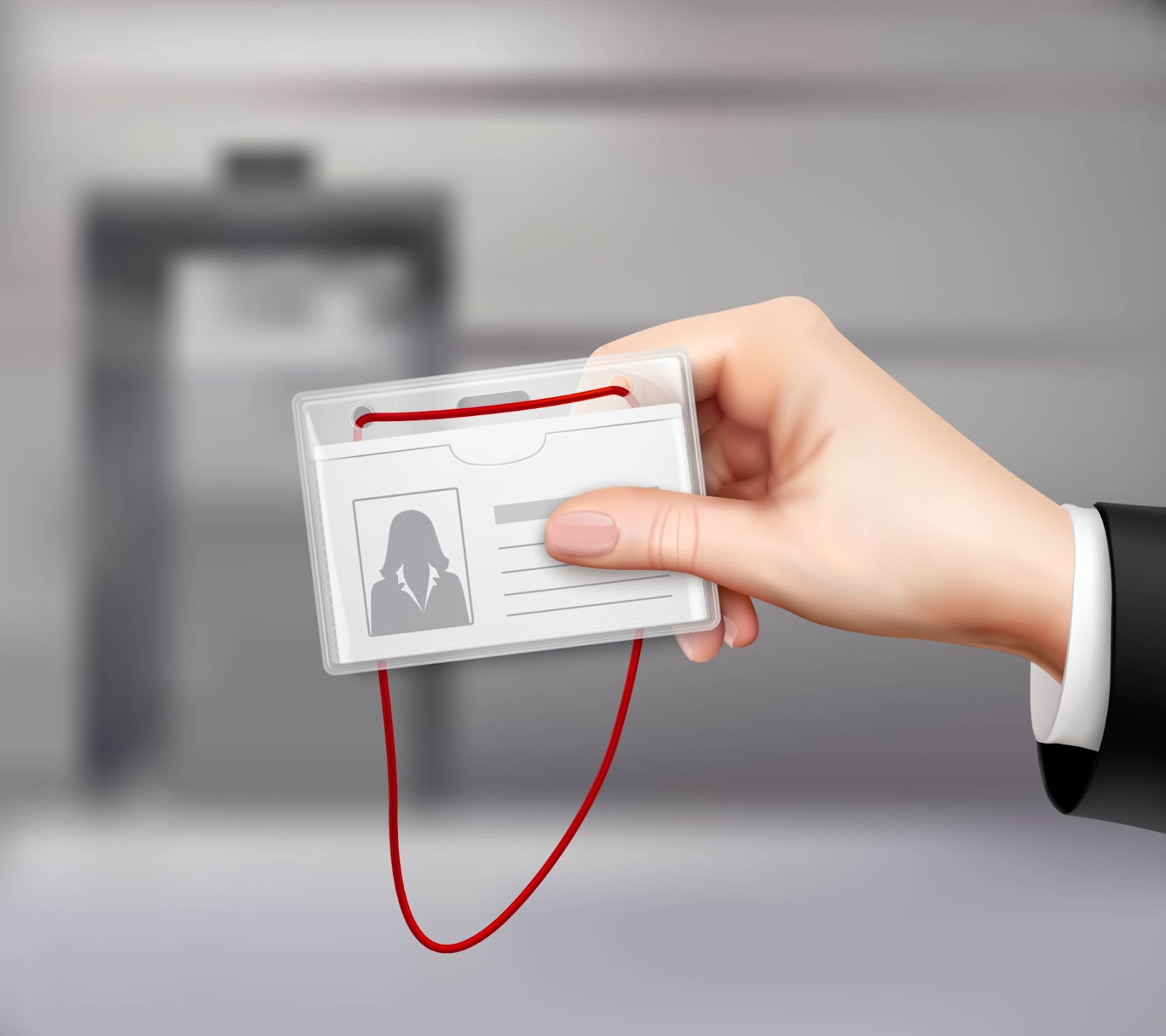
An ID card serves as proof of membership within an institution. The use of ID cards has become commonplace in society and varies — ranging from employee ID card, student card, to healthcare access.
The use of ID cards is considered safer and more efficient for verifying an individual’s membership status. This is supported by personalized card designs that reflect the identity of the institution.
To enhance the security of this information, you might consider issuing your own identity cards by investing in quality card printing machines. But, how to choose the best suitable ID Card printer for your office?
The ID Card printers function similarly to other printing devices, allowing you to print a variety of information such as images, text, and logos onto print media—specifically, PVC plastic surfaces that are the size of an ATM card.
These types of printing machines are beneficial in streamlining the process and time for printing various types of cards, including:
Employee ID cards
Student ID cards
Healthcare cards
Transportation cards
Access Card
Loyalty cards/Event cards
Not only does this enhance operational efficiency, but it also bolsters information security by eliminating the need for a third-party printing company to print cards containing potentially confidential data.
With numerous brands and models available in the market, it’s advisable for you to consider the following factors before choosing an ID card printer:
Printing Volume and Frequency
Determine how many ID cards you’ll need to print on a regular basis. This will help you choose between entry-level printers for occasional printing and higher-end models for high-volume tasks.
Single-Sided vs. Dual-Sided Printing
Decide if you need to print on one or both sides of the ID card. Dual-sided printers allow you to include more information and design elements on both sides, in one process.
Processing Speed
Faster printers are ideal for large organizations or events with tight timeframes.
Print Quality
Look for a printer with a high resolution (measured in dpi) for sharp text, clear images, and accurate colors.
Encoding Options
If you plan to include features like magnetic stripes or smart chips on the cards, ensure that the printer supports these encoding options.
Additional Tips
Think about product upgradeability and some additional features that match your unique needs. For example, if you prefer durability consider ID Card printers with lamination capability. Or if you feel like adding more layers of security, you can look for printers with security features.
Based on these considerations, here are the recommended ID card printers for your consideration:
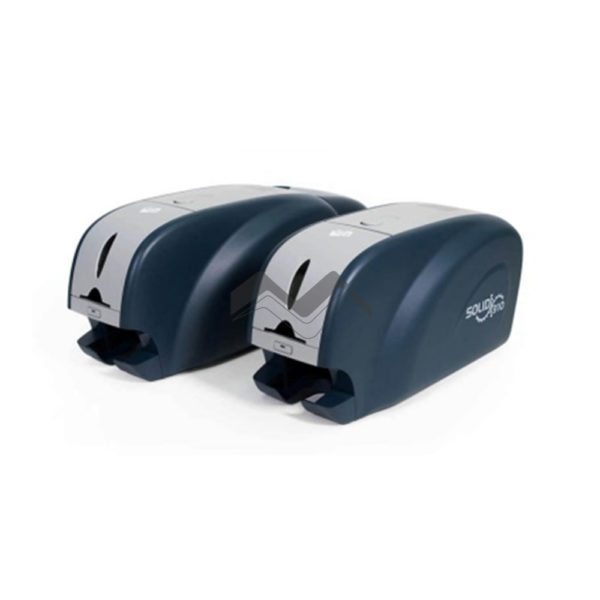
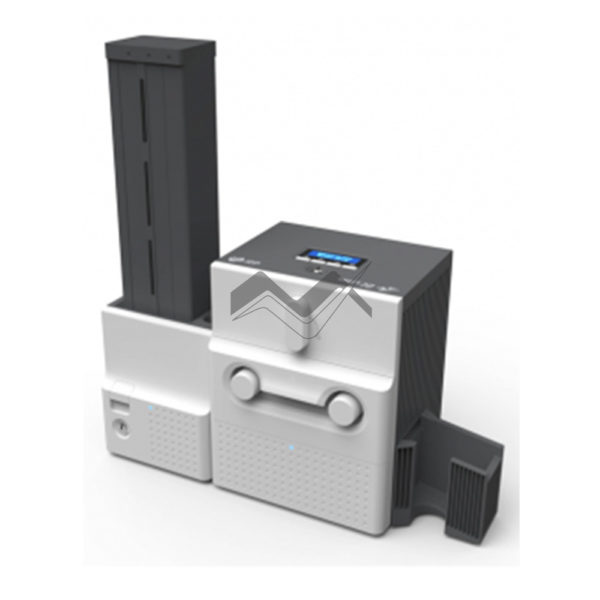
Ideal for those seeking a cost-effective card printing solution with professional quality, the IDP SOLID-310 Series comes in two types: the SOLID-310S single-sided printer and SOLID-310D dual-sided printer. These printers offer high-speed printing and resolutions of 300 dpi and 600 dpi, respectively.
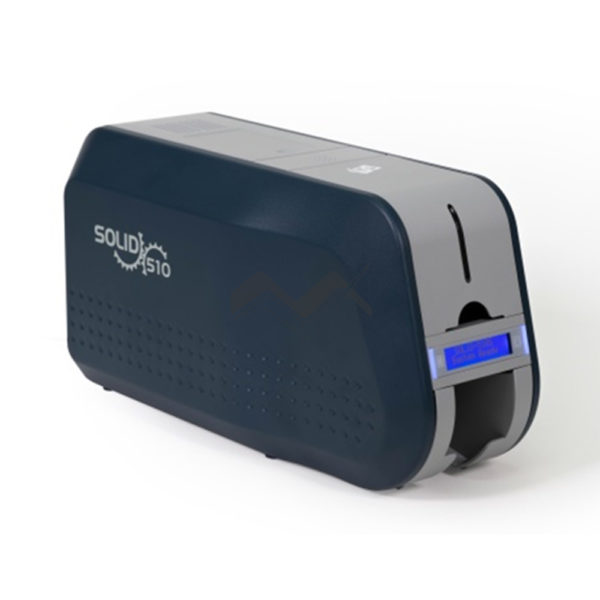
The IDP SOLID-510 Series card printing machine delivers processing speed and performance suited for medium-volume printing tasks. This series provides high-resolution print results of up to 1200 dpi and can also be upgraded with the patented IDP Direct Lamination Technology for card lamination.
The standout feature of the IDP SOLID-700 Series is its modular design and high processing capacity. Printers from this series can be conveniently configured to meet your needs by adding modules for dual-sided printing, laminating, and output hoppers. With its large capacity and high speed, this series is suitable for high-volume card printing and continuous operation.
ID Card Printer IDP SOLID-510 Series
For further information about the products, please reach out to our hotline at 1500 903 or contact us via email at info@murni.co.id. You can also visit this Passbook Printer page to explore products from similar categories.
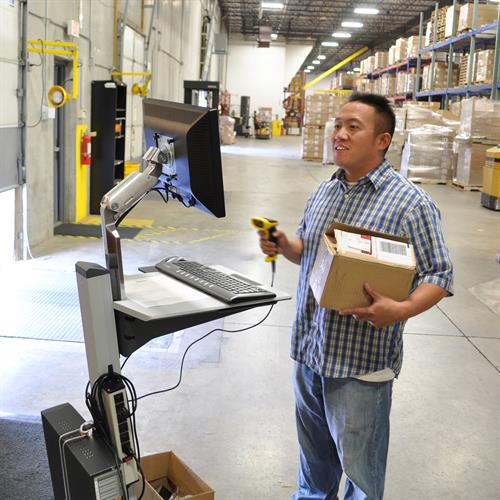
For example, Hospital. Mobile carts that carry medical equipment, and documents to monitor diagnoses, are central to helping nurses work. If it is constrained, the effectiveness of health services will be disrupted.
The main problem is the battery life supporting the mobile cart. In whatever industry the mobile cart is used, it must be designed and tested to the highest safety standards.
One of the challenges faced every day for workers is using inflexible tools at work. That’s why flexibility is the most significant advantage of using a mobile cart.
Mobil Cart Workstation. Source: Hospital
The flexibility that is presented after using a mobile cart will bring various benefits to businesses, such as:
Productivity – Allowing workers to be more productive as mobilization becomes more effective and completing tasks become more efficient.
Security – Operating tools that help to work comfortably and safely by reducing worker fatigue, and minimize errors.
Work Motivation – Increasing motivation. No worker wants to be in a dull and inefficient work environment. Mobile carts help to improve this.
Cost – Smart investment move. Of course, there are costs upfront; however, it will be a long-term savings because it is more effective and efficient.
The Right Choice for Mobile Cart Power Systems
Various advances in battery technology give us multiple choices in the mobile cart. Currently, many mobile carts use a swappable power system. But some depend on a fixed power system.
There are various advantages and disadvantages to each power system. In the battery-swappable power system, the characteristics are:
Can operate non-stop, 24/7
Battery portability
Multiple options
There are various advantages and disadvantages to each power system. In the battery-swappable power system, the characteristics are:
Can operate non-stop, 24/7
Battery portability
Multiple options
Tips for Choosing the Right Battery Technology
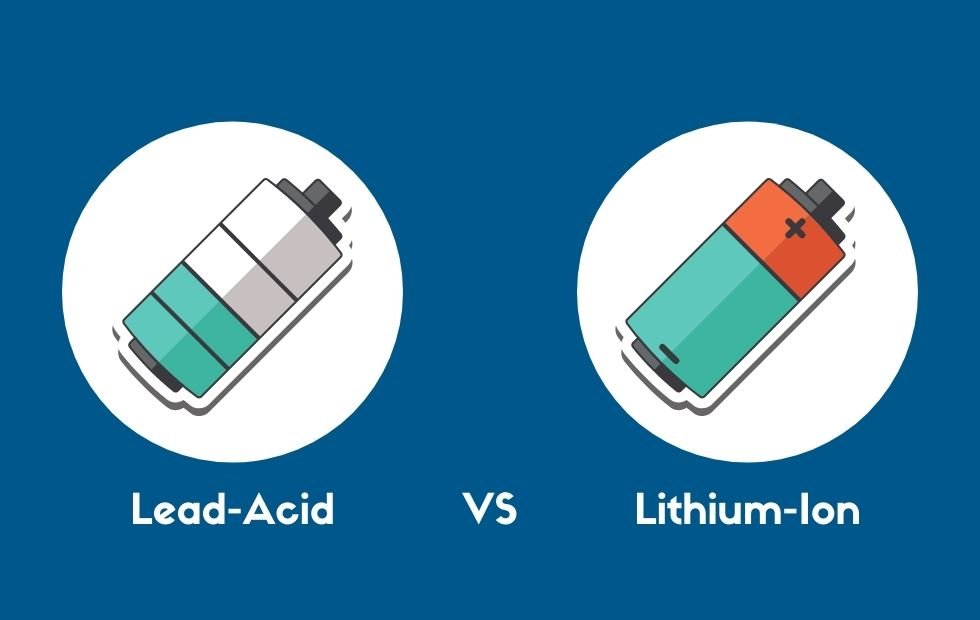
Technically, the battery technologies commonly used to power mobile carts are Sealed Lead Acid (SLA) and Lithium-ion.
LSA vs Lithium-Ion Battery Illustration. Sources: Climatebiz
The following are tips that can be noted for choosing and comparing the two battery technologies when using a mobile cart:
Capacity and Debt
SLA batteries are designed for slow but steady discharge; if the capacity decreases, the voltage drops. Whereas Lithium-ion only loses a minimum voltage if its ability decreases.
Battery Health
SLA batteries generally have a shorter lifespan than Lithium-ion. SLA needs to be replaced 1-2 years, while Lithium-ion can last up to 8-10 years.
The difference is that the health of an SLA battery will degrade over time if it is completely depleted or not kept on a proper charge. In contrast, Lithium-ion can maintain its integrity even without being fully charged.
Storage
If storing batteries is a consideration, it is necessary to understand the implications of batteries based on type. SLA batteries lose their charge up to five times faster than Lithium-ion batteries when stored.
However, there are better choices than storing Lithium-ion batteries for a long time. Lithium-ion battery held will affect battery life more than SLA battery.
Disposal
The battery is a matter of use, and responsible for its disposal. Battery waste is not friendly to the environment.
SLA batteries are considered more dangerous; that is why consumers will be charged a deposit fee when purchasing and will be returned if the SLA battery is to be disposed of. In contrast, Lithium-ion batteries are made of non-toxic materials, so the waste treatment process is relatively more straightforward.
Choosing a battery power system when using a mobile cart for business needs to be done carefully. Ensure the mobile cart you want to use has a battery power system that is efficient, optimal, and safe for your business.
To choose a mobile cart with an efficient, optimal, and safe battery power system, you can use a mobile cart from Ergotron, whose quality is guaranteed!
Are you interested in learning about the mobile cart from Ergotron? Contact our Ergotron experts by calling 1500913 or via e-mail to ergonomic@murni.co.id. Also, visit our ergonomic website and find other ergonomic products.